Héctor and I had been married five years. From the first day I became his wife, I learned to live with his cold words and distant looks. He wasn’t loud or violent, but his indifference made my heart shrink a little more each day.
After the wedding we lived in his parents’ house in a neighborhood of Mexico City. Mornings I woke early to cook, do laundry, and clean. Evenings I sat and waited for him to come home, only to hear, “Yeah, I already ate.” Sometimes I wondered how this marriage differed from being a tenant. I tried to build a life, to love, but all I received in return was an empty space I couldn’t fill.
Then one evening Héctor came in with his usual blank expression. He sat across from me, slid a divorce paper over the table, and said dryly, “Sign it. I don’t want to waste either of our time.” I froze, though I wasn’t surprised. With tears in my eyes I took the pen, and memories—the dinners I’d waited for, the nights I’d suffered alone—cut deep.
After signing, I packed what little I had. There was nothing in that house that belonged to me except a few clothes and an old pillow I’d slept with since leaving my mother’s home in Oaxaca for university. I’d kept it after marrying Héctor because I couldn’t sleep without it. He used to complain, but I kept it anyway.
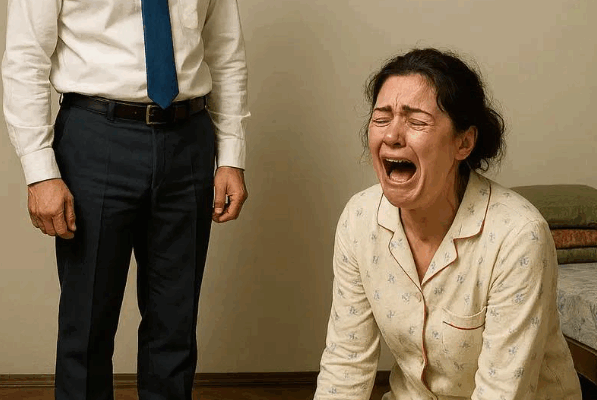
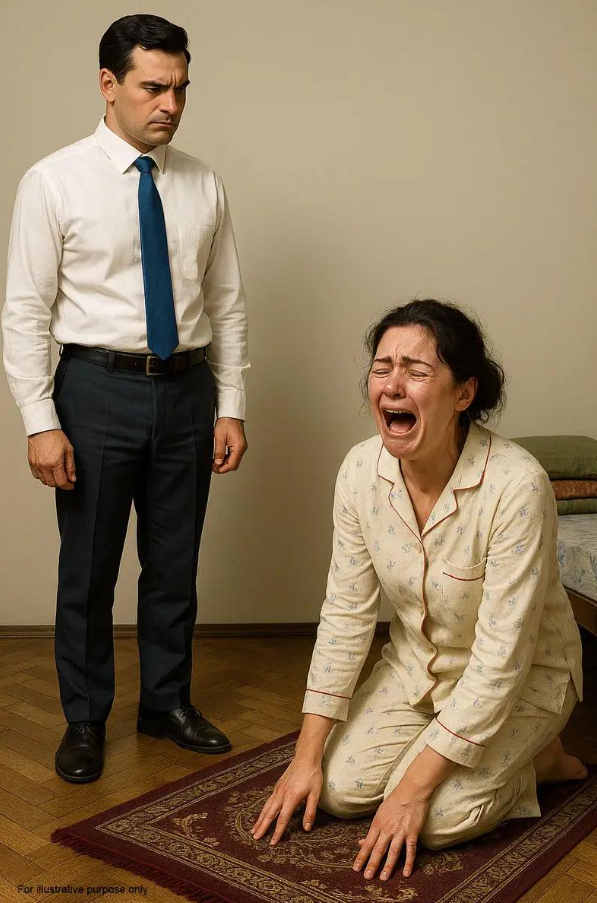
As I stood at the door with my suitcase, Héctor threw the pillow at me and sneered, “Take it and wash it. It’s probably falling apart.” The cover was faded and stained, the cotton flat from years of use. My chest tightened as I left in silence.
In my rented room I sat staring at the pillow, numb. I decided to unzip the case and wash it—anything to have one clean night’s sleep free of painful memories. When I unzipped it, my hand hit something oddly firm among the stuffing. I reached in and froze: a small bundle wrapped carefully in a plastic bag.
With trembling fingers I opened it. Inside were stacks of 500-peso bills and a folded scrap of paper. My mother’s handwriting—wobbly and familiar—read: “My daughter, this is money I saved for you in case of hardship. I hid it in the pillow because I was afraid you’d be too proud to take it. No matter what, don’t suffer for a man. I love you.”
Tears blurred the yellowed paper. I remembered my wedding day when my mother gave me that pillow, telling me it was soft so I’d sleep well. I had laughed then—“Mom, what a strange thing to think. Héctor and I will be happy.” She’d smiled, a sad, distant look in her eyes. Now I understood: she had always known how much a daughter could suffer and had quietly prepared for it.
That night I lay on a hard bed in a tiny room, clutching the pillow as my tears soaked the case—not for Héctor this time, but for my mother. I felt lucky: I had a place to return to, a mother who loved me, and enough saved to keep me from despair.
The next morning I folded the pillow, packed it into my suitcase, and made plans. I would find a smaller room closer to work, send more money home, and live for myself and for my aging mother. In the mirror I tried on a small, hopeful smile. The marriage, the old pillow, the sneer—one sad chapter closed. Ahead, there were many pages left for me to write.