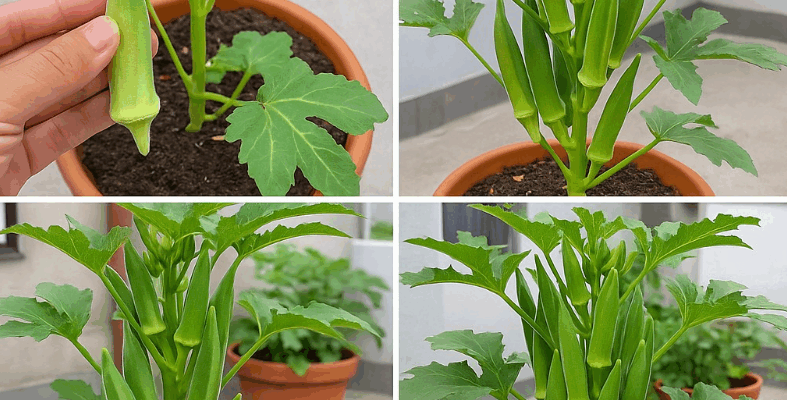
How to Grow Okra on a Terrace for Maximum Yield
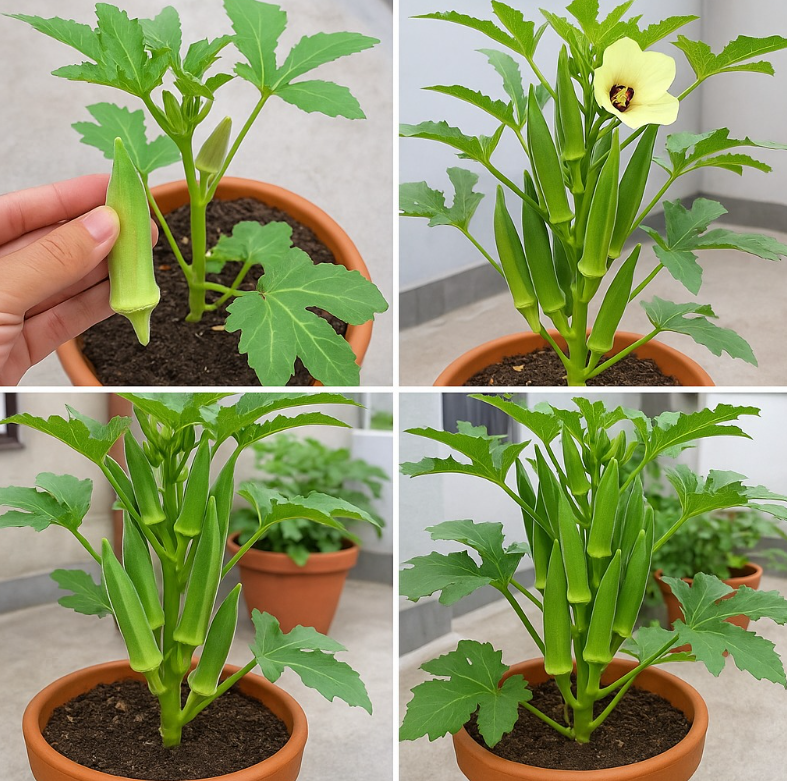
Growing vegetables on your terrace is a fantastic way to enjoy fresh, homegrown produce while making efficient use of limited space. Among the best crops for urban gardening is okra (also known as lady’s finger). It’s easy to grow, highly productive, and thrives in containers with proper care.
Follow this step-by-step guide to grow okra successfully on your terrace and enjoy a continuous harvest throughout the growing season:
Choose the Right Variety
Start by selecting a high-yielding, pest-resistant variety of okra. Popular options include Clemson Spineless, Emerald, and various local heirloom types. Make sure the seeds are fresh and suited for container gardening.
Select a Suitable Container
Okra has a deep taproot and requires a deep container. Choose a pot or grow bag at least 12–18 inches deep and about 14 inches wide. For grow bags, use one with a 15–20 liter capacity. Ensure good drainage to prevent root rot.
Prepare the Soil
Okra thrives in loose, well-draining soil rich in organic matter. Create a potting mix using:
40% garden soil
30% compost (vermicompost or cow dung compost)
20% coco peat (for moisture retention)
10% sand (for improved drainage)
Mix thoroughly and consider adding neem cake or bone meal to enrich nutrients and deter pests.
Sow the Seeds
Soak the seeds in water for 6–12 hours before planting to speed up germination. Sow them directly into the container about 1 inch deep, placing two seeds per pot. Once they sprout, keep the stronger seedling. The best time to sow is in spring or early summer when temperatures stay above 20°C (68°F).
Ensure Adequate Sunlight
Okra loves the sun. Place your containers where they get at least 6 to 8 hours of direct sunlight daily. Ample sunlight is key to strong, productive plants.
Water Consistently
Water moderately and keep the soil consistently moist but not soggy. Overwatering can cause root rot; underwatering may stress the plant. Water early in the morning or in the evening for best results.
Fertilize Regularly
Feed your plants every 10–15 days with a balanced liquid fertilizer like compost tea or fish emulsion. Once flowering begins, switch to potassium-rich feeds such as banana peel fertilizer or wood ash to support pod development. Avoid nitrogen-heavy fertilizers after maturity to prevent excessive leafy growth.
Prune and Maintain
Remove yellowing or damaged leaves regularly to keep the plant healthy. Once the plant reaches about 2 feet tall, pinch the tip of the main stem to encourage branching and boost pod production. Mulch with dry leaves or straw to retain moisture and reduce weeds.
Manage Pests and Diseases
Watch out for common pests like aphids, mealybugs, and whiteflies. Use a natural neem oil spray (5 ml neem oil + 1 liter water + a few drops of liquid soap) every 7–10 days in the early morning or evening. Avoid overhead watering and ensure proper spacing for good air circulation to prevent fungal diseases.
Harvest Often
Okra pods grow fast. Harvest when pods are 3 to 4 inches long and still tender. Mature pods become tough and fibrous. Pick every 2–3 days to encourage new growth. Use clean scissors or a knife to avoid damaging the plant.
Bonus Tips for a Bigger Harvest
Top up with compost monthly.
Stake tall plants for support.
Rotate crops if reusing containers each season.
With proper care and attention, your terrace okra plants can produce pods for 2–3 months, offering a generous harvest even in a small urban space.