With this ingenious method, I’ve been growing blueberries at home indefinitely, so I haven’t needed to buy any for years!
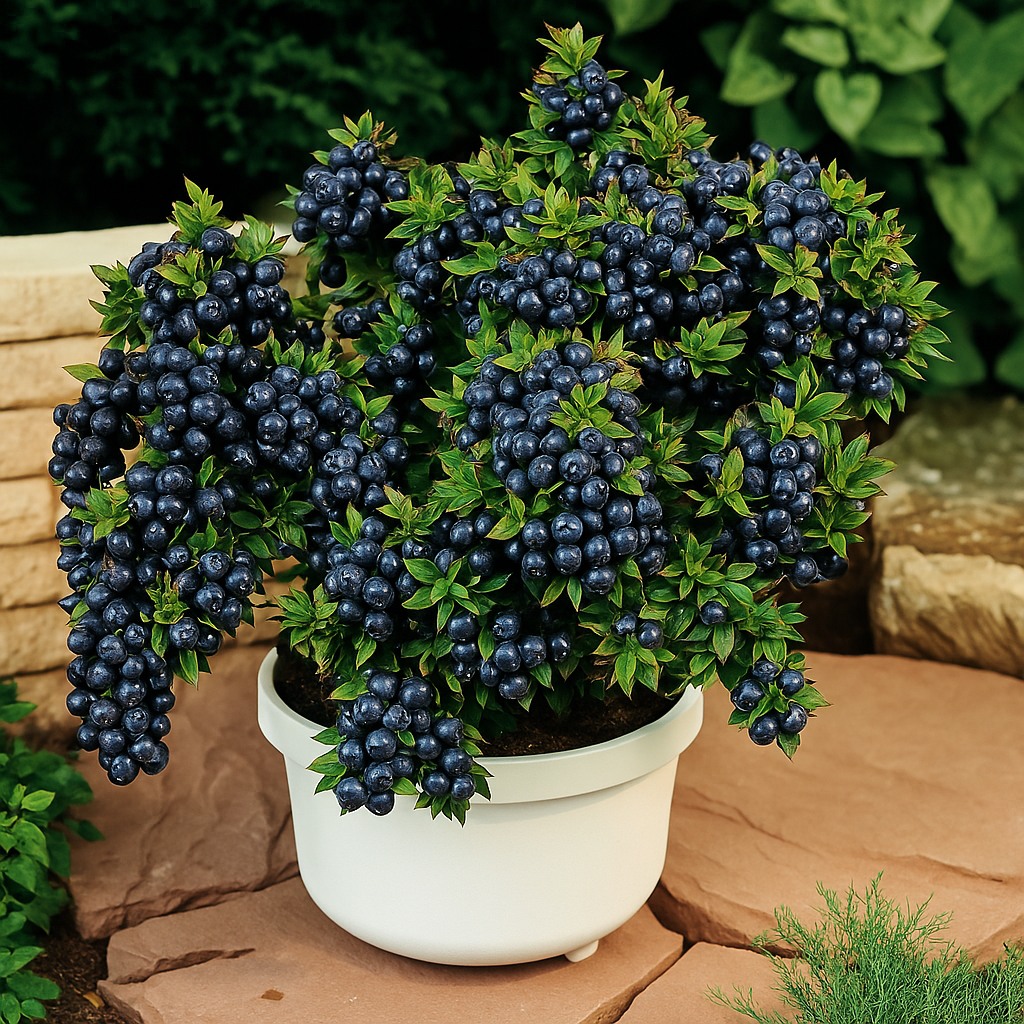
Blueberries rank among the healthiest fruits, thanks to their outstanding nutritional profile: they’re rich in vitamin C, fiber, potassium, iron, and calcium. Research from Clemson University and the U.S. Department of Agriculture highlights their exceptional antioxidant power—blueberries scored highest among 40 tested vegetables. This strength comes from a blend of organic acids and fifteen anthocyanins, which give blueberries their deep blue-purple color. They also contain health-promoting compounds such as proanthocyanidins, flavonoids, and tannins, including resveratrol (the same anti-tumor compound found in black grapes).
The health benefits of blueberries are wide-ranging. Their potassium content supports both muscle and nerve function, while dietary fiber helps maintain a balanced intestinal microbiome, according to a study in Cell Host & Microbe. Their vitamins boost the immune system, and various antiseptic properties—verified by research in the Asian Pacific Journal of Tropical Diseases—further contribute to overall well-being. By following this straightforward growing technique, I’ve managed to harvest fresh blueberries right from my own home garden, completely eliminating the need to purchase them.
How to Grow Blueberries at Home
Choose the Right Container
• Start with a pot or container that holds at least 2–3 gallons of soil if you’re planting a young bush. You can move it into a larger container as the plant matures.
• Blueberries prefer acidic soil, so aim for a pH around 4.5. You can buy pre-mixed acidic potting soil or amend standard potting mix with peat moss, pine needle mulch, or a commercial soil acidifier.
Seed Sowing and Seedling Care
• If you’re starting from seeds, spread them evenly on the surface of moist, acidic soil and lightly press them down. Keep the soil consistently damp but not waterlogged—daily misting or gentle watering works best.
• Maintain high humidity (around 50–60%) until germination, which usually occurs within two to four weeks. Once seedlings sprout, ensure good air circulation by gently aerating the soil and avoiding crowded conditions.
Light and Placement
• Place your container in a spot that receives at least 6–8 hours of bright, indirect sunlight each day. Avoid areas with strong, drying winds. Well-lit windowsills, sunrooms, or a sheltered patio are ideal.
• If you’re growing multiple seeds, space them so each plant has room to develop into a healthy bush.
Transplanting and Soil Maintenance
• As seedlings outgrow their initial containers, transplant them into larger pots. Before handling the roots, water the plants thoroughly and let excess water drain—this minimizes transplant shock.
• Replace or lightly refresh the top layer of soil every 6–12 months and aerate the soil by gently loosening it around the roots. This ensures continued nutrient uptake and healthy root development.
Watering and Feeding
• Blueberries need consistently moist soil, especially while flowering and fruiting. Water whenever the top inch of soil feels dry, avoiding both drought stress and waterlogging.
• Feed with a balanced, acid-loving fertilizer (for example, one formulated for azaleas or rhododendrons) in early spring and again after fruiting. Follow label instructions to avoid overfertilization.
Patience Pays Off
• In about two years, your blueberry plants will start resembling small bushes. By the fourth year, you can expect generous harvests of plump, sweet berries.
• Prune lightly in late winter or early spring to remove dead wood and encourage new growth. Over time, this will keep your plants vigorous and productive.
By following these steps, you’ll enjoy fresh, homegrown blueberries season after season—no grocery store trips required!