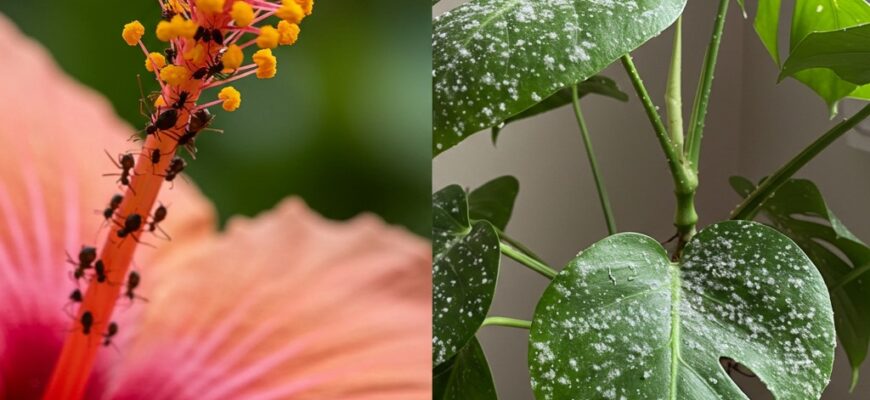
Say Goodbye to Aphids and Other Pests – The Natural Way**
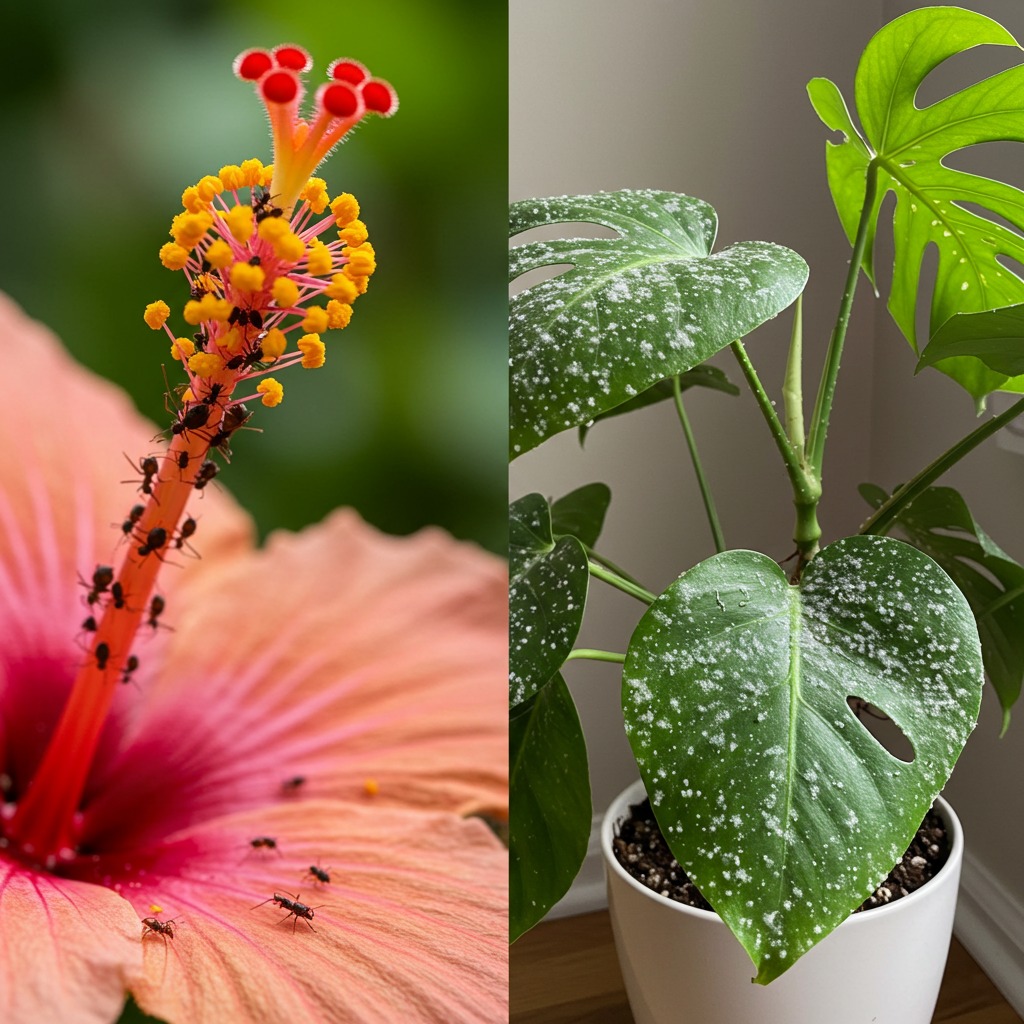
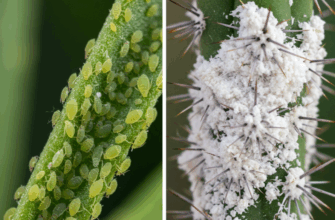
Aphids can wreak havoc on your plants by feeding on their sap, which weakens growth and leads to stunted development, distorted leaves, and fewer fruits. But you don’t need harsh chemicals to keep your garden healthy. This guide introduces an effective, all-natural method to get rid of aphids and other pests using ingredients you likely already have at home: garlic and cinnamon. Plus, you’ll learn how to make a simple trap to catch and remove aphids from your garden.
—
### **Why Aphids Are a Problem**
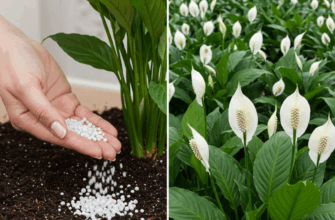
Aphids reproduce rapidly and can infest your plants in no time. As they feed on plant sap, they cause visible damage—curled or yellowed leaves, misshapen flowers, and weak fruit production. They also produce a sticky substance called honeydew, which attracts ants and encourages mold growth.
—
### **Why You Should Avoid Soap-Based Sprays**
While some gardeners use detergent or soap sprays to combat aphids, these can actually damage delicate plants, drying out leaves and harming blooms and fruit. A gentler, plant-friendly option is a better choice—especially for sensitive species like fruit trees and flowering plants.
—
### **A Natural Garlic-Cinnamon Spray for Aphids**
This remedy harnesses the natural pest-repelling power of garlic and the antifungal benefits of cinnamon to keep pests away safely.
**You’ll need:**
* 500 ml (2 cups) of room-temperature water
* 2 cloves of garlic, crushed
* A pinch of ground cinnamon
**Why It Works:**
* **Garlic** contains sulfur compounds that repel aphids, mites, fungi, and even bacteria.
* **Cinnamon** helps protect against fungal infections and promotes plant healing.
**Instructions:**
1. Crush the garlic and add it to the water.
2. Stir in the cinnamon and let the mixture sit for 30 minutes to infuse.
3. Strain the solution through a fine cloth or mesh (avoid metal strainers).
4. Pour the filtered liquid into a spray bottle.
—
### **How to Use the Spray**
* **Spray Leaves and Stems:** Apply generously to affected areas, especially the undersides of leaves where aphids often hide.
* **Safe for Flowers and Fruits:** This spray won’t harm delicate blossoms or developing fruits.
* **Soil Treatment:** You can also spray the soil around the plant to repel pests living in the ground and improve soil health.
—
### **DIY Aphid Trap**
To boost your pest-control strategy, make a simple sticky trap to catch escaping aphids.
**You’ll need:**
* Wide sticky tape (like duct or masking tape)
* Scissors
**How to Make It:**
1. Wrap the tape around plant stems or branches with the sticky side facing out.
2. Secure it firmly so aphids get caught as they try to escape.
3. To block ants from returning aphids to the plant, fold tape into small “hats” and place them around the trunk.
—
### **Why This Method Works**
* **Chemical-Free:** Safe for edible plants and children.
* **Pollinator-Friendly:** Doesn’t harm bees or beneficial insects.
* **Multi-Use:** Also protects against fungi and harmful bacteria.
* **Supports Soil Health:** Garlic and cinnamon contribute to a thriving soil ecosystem.
—
### **Final Thoughts**
Aphids may be persistent, but you don’t need synthetic chemicals to beat them. With this simple, natural remedy and a clever trap, you can enjoy a lush, thriving garden free from harmful pests. Give it a try—and watch your plants flourish!