Revive Your Houseplants with This Simple Pharmacy Secret!
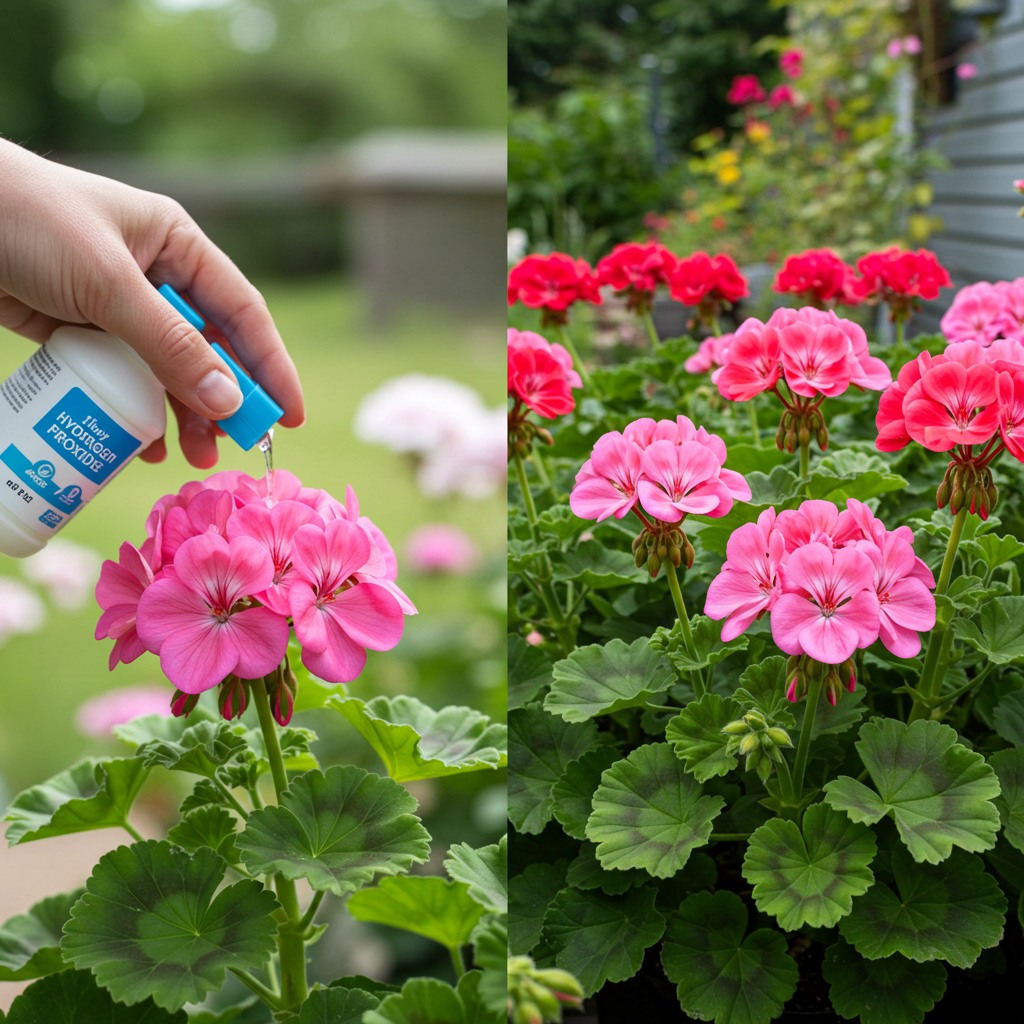
Keeping houseplants healthy can be challenging—even with the best care, flowers may droop, leaves might turn yellow, and blooming can stall. If your plants are struggling, it might be time for a natural boost. Surprisingly, one powerful solution is waiting on the shelf at your local pharmacy: hydrogen peroxide.
Best known as an antiseptic, hydrogen peroxide also works wonders for plants. It boosts growth, improves soil aeration, and helps roots absorb nutrients more efficiently. Plus, its antifungal and antibacterial properties protect plants from common soil-borne diseases. Ideal for weak, slow-growing, or diseased houseplants, this simple treatment can restore your plants to vibrant health.
Why Use Hydrogen Peroxide on Houseplants?
Hydrogen peroxide (H₂O₂) contains one extra oxygen atom than water, and that extra oxygen brings significant benefits:
Improves Soil Oxygenation – Loosens compacted soil, enhances root growth, and helps plants absorb nutrients.
Stimulates Root Development – Encourages a stronger, healthier root system for more vigorous growth.
Prevents Disease – Naturally fights bacteria and fungi that cause root rot and other plant issues.
Neutralizes Soil Toxins – Removes harmful substances that stunt plant growth.
Boosts Blooming and Foliage – With better oxygen and nutrients, plants grow faster and flower more abundantly.
Controls Pests – Helps deter fungus gnats and other pests that thrive in damp, low-oxygen soil.
How to Make Hydrogen Peroxide Fertilizer
It’s easy to prepare, and you only need the 3% hydrogen peroxide commonly sold in pharmacies.
For Root Watering (Growth Boost)
Mix 1 liter of water with 2 tablespoons of 3% hydrogen peroxide.
Stir and use right away.
Water around the roots—but only if the soil is already moist.
Repeat every two weeks.
For Foliar Spray (Disease Prevention)
Mix 1 liter of water with 1 tablespoon of 3% hydrogen peroxide.
Pour into a spray bottle.
Lightly mist leaves, including the undersides where pests and fungi often hide.
Use once every two weeks.
Best Plants for Hydrogen Peroxide Treatment
This method works beautifully on many houseplants, including:
Geraniums – Encourages fuller branching and better blooms.
Orchids – Strengthens roots and prevents fungal infections.
African Violets – Keeps leaves lush and blooms consistent.
Roses – Boosts root health and disease resistance.
Peace Lilies – Prevents yellowing and promotes dense foliage.
Begonias – Supports longer flowering and vibrant leaves.
Tips for Best Results
Don’t overdo it – Too much hydrogen peroxide can harm beneficial soil microbes.
Use fresh solution – Don’t store mixed solutions for later.
Water smart – Always apply to already moist soil to avoid root shock.
Stick to 3% strength – Stronger solutions can damage roots and leaves.
Observe your plants – If signs of stress appear, cut back on use.
Final Thoughts
Hydrogen peroxide is an affordable, natural way to revitalize your indoor plants. Whether your houseplants are underperforming or just need a little help, this simple solution can restore their strength and beauty. Try it out—and watch your flowers thrive like never before!