Aphids in the Garden: A Natural Way to Protect Your Plants**
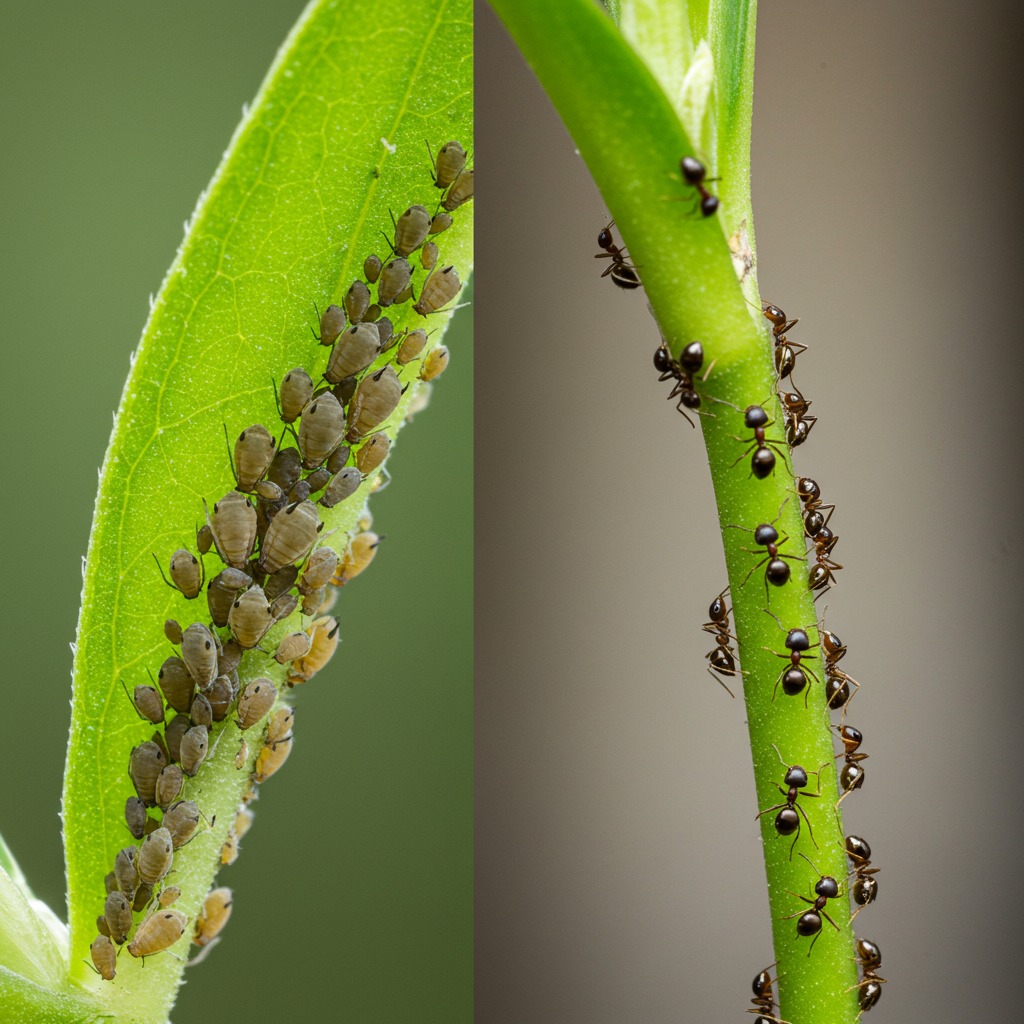
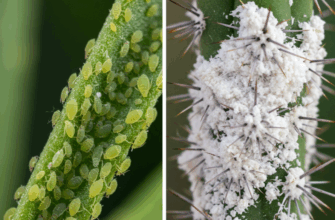
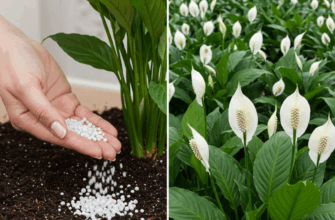
If you’ve ever walked through your garden and spotted tiny clusters of insects on your plant leaves, you’ve likely encountered aphids. Though small, these pests can cause major damage. Aphids feed by sucking the sap from plants, which weakens them, distorts new growth, and spreads viruses. If left untreated, aphids can rapidly multiply, damaging vegetables, fruits, herbs, and flowers alike.
But don’t worry—there’s no need to reach for chemical pesticides. A simple, natural homemade spray can eliminate aphids effectively while keeping your garden safe for pollinators and beneficial insects like bees and ladybugs.
—
### **Understanding Aphids and Their Behavior**
Aphids are soft-bodied insects that come in many colors—green, yellow, black, brown, red, even pink. Some can even change color to better camouflage themselves from predators. They usually attack soft plant parts, especially new shoots, flower buds, and the undersides of leaves.
Aphids also have a mutual relationship with ants. As they feed, they release a sweet substance called honeydew, which attracts ants. In return, the ants protect the aphids from natural predators such as ladybugs and lacewings. This alliance allows aphid colonies to thrive—unless you intervene.
Unchecked, aphids can weaken your plants, stunt their growth, and reduce your harvests. Thankfully, there’s a natural way to stop them.
—
### **A Safe, Natural Spray That Works**
You don’t need harsh chemicals to manage aphids. This easy homemade spray uses hot pepper and liquid soap to create a powerful deterrent that’s safe for your plants and the surrounding ecosystem.
**You’ll need:**
* 1 liter of water
* 1 fresh red chili pepper (or 1 teaspoon ground red pepper)
* 1 teaspoon of liquid soap (unscented and biodegradable is best)
**Instructions:**
1. Finely chop the chili pepper. (If using ground pepper, add it directly.)
2. Pour hot (not boiling) water over the pepper and let it steep for 12 hours to infuse the capsaicin—the active, insect-repelling compound.
3. Strain the liquid to remove any solids that could clog your spray bottle.
4. Stir in the liquid soap. This helps the spray stick to leaves and smother the aphids.
**How to apply:**
* Pour the mixture into a spray bottle.
* Spray affected plants thoroughly, focusing on the undersides of leaves where aphids hide.
* Apply in the early morning or evening to avoid leaf burn.
* Repeat once or twice a week until the aphids are gone.
—
### **Why It Works**
Capsaicin in hot peppers is a natural irritant to aphids and deters them from feeding and reproducing. The soap breaks down their protective coating and clogs their breathing pores, helping to eliminate them on contact.
Unlike synthetic pesticides, this spray won’t harm pollinators or beneficial insects. It’s a safe and environmentally friendly solution that restores balance in your garden.
—
### **Extra Tips for Managing Aphids Naturally**
* **Invite beneficial insects:** Attract natural aphid predators like ladybugs, lacewings, and hoverflies by planting flowers such as dill, fennel, yarrow, and marigolds.
* **Inspect regularly:** Check your plants often—especially new growth and the undersides of leaves—for early signs of infestation.
* **Prune when needed:** For heavy infestations, remove affected leaves or shoots and discard them away from your garden.
* **Boost plant health:** Strong, healthy plants are less vulnerable to pests. Use organic compost and natural fertilizers to nourish your soil and strengthen your plants.
—
### **A Healthier Garden Without Chemicals**
Aphids might be persistent, but with this natural spray and some consistent care, you can keep them under control—no chemicals needed. This simple DIY remedy is an effective tool for eco-conscious gardeners who want to protect their plants and the planet.
By choosing natural solutions, you’re not just saving your garden—you’re also supporting pollinators, wildlife, and a healthier environment for everyone.