**Time to Plant Tomatoes Outdoors: A Guide for Healthy Growth and High Yields**
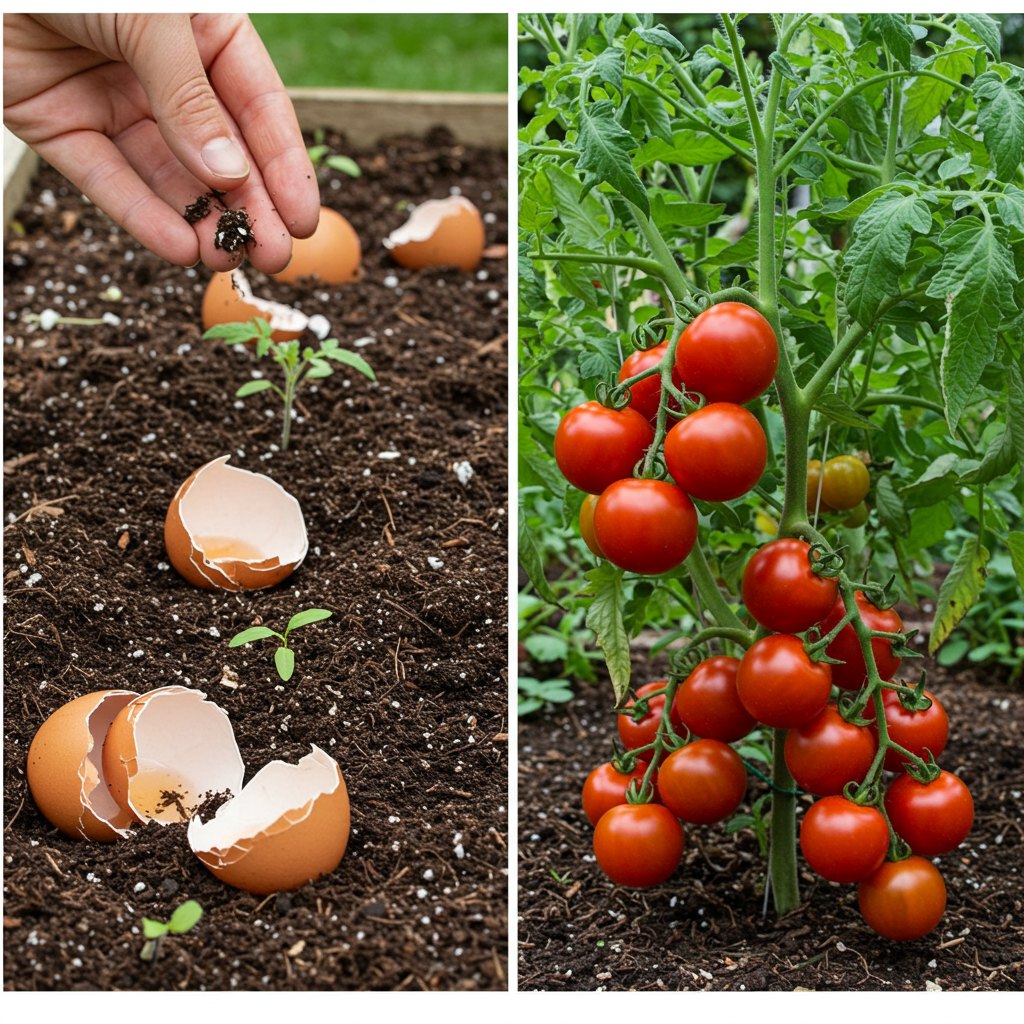
As the gardening season kicks off, now is the perfect moment to transplant your tomato seedlings outdoors. When your young plants have reached sufficient height and their stems are sturdy, they’re ready to be acclimated to the open air. With countless varieties available—think ‘Apple’, ‘Saint Pierre’, or ‘Ox Heart’—choosing the right cultivar is just the beginning. In this guide, you’ll learn how to plant tomatoes the right way and which soil amendments will encourage vigorous plants and abundant fruit.
## 1. Why Deep Planting Matters
Unlike most transplants, tomato seedlings benefit from being buried much deeper than the depth of their nursery pots. This method takes advantage of tomatoes’ ability to sprout roots along any buried portion of stem—resulting in a more extensive root system.
**Key benefits of deep planting:**
* **Stronger root network.** Burying at least half of the stem encourages adventitious roots to form, boosting water and nutrient uptake.
* **Improved stability.** Deeper roots anchor plants more securely, helping them withstand wind and heavy rain.
* **Temperature buffer.** Roots planted deeper experience more consistent soil temperatures, protecting them from sudden cold snaps.
* **Enhanced disease resistance.** A robust root system supports overall plant health, reducing vulnerability to pests and soil-borne pathogens.
## 2. Preparing Your Planting Holes
1. **Measure stem length.** Use your seedling’s stem height to determine hole depth—aim to bury half or more of the plant.
2. **Dig trenches or individual holes.** Ensure each opening is deep enough to accommodate the stem. If you prefer trench planting, you can gently lay the seedling on its side and cover most of the stem, then train the top shoot upward.
## 3. Boosting Soil Fertility
Tomatoes are heavy feeders. While well-aged compost provides a solid foundation, adding pelleted (organic) manure delivers a balanced blend of macro- and micronutrients. This amendment:
* Enriches soil organic matter
* Improves texture and water retention
* Supplies sustained nutrition throughout the season
## 4. Preventing Calcium Deficiency
Blossom end rot—dark, sunken spots on the fruit’s blossom end—is a classic sign of calcium shortage or uneven uptake. To ward off this disorder:
1. **Adjust soil pH** to the 6.2–6.8 range so calcium remains available.
2. **Incorporate crushed eggshells.** Clean and dry shells, then crush into small fragments. Mix one or two pieces into the planting hole for each seedling to supply a slow-release source of calcium.
## 5. Planting and Watering Steps
1. **Set the seedlings.** Place each tomato deep in its hole or trench, covering at least half the stem.
2. **Backfill and firm.** Fill in around the stem, gently pressing to eliminate air pockets and stabilize the plant.
3. **Water thoroughly.** Give each newly planted tomato a generous soak—this helps settle the soil around the new roots and jump-starts establishment.
With strong, deeply anchored roots, nutrient-rich soil, and a reliable calcium source, your tomato plants are primed for vigorous growth. Follow these steps, and you’ll be on track for a season overflowing with healthy plants—and mouthwatering fruit!