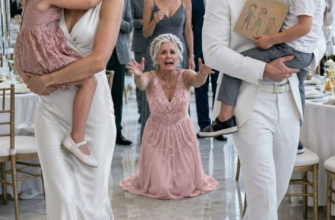
In a small town clinging to the edge of the map like the last grain of dust, time didn’t follow the clock but the seasons. It froze in harsh winters, melted with the spring thaw, dozed lazily through the heavy summer heat, and sank into sadness with the autumn rains. Within this slow, viscous stream of time, Lyudmila — whom everyone simply called Lucy — was quietly drowning.
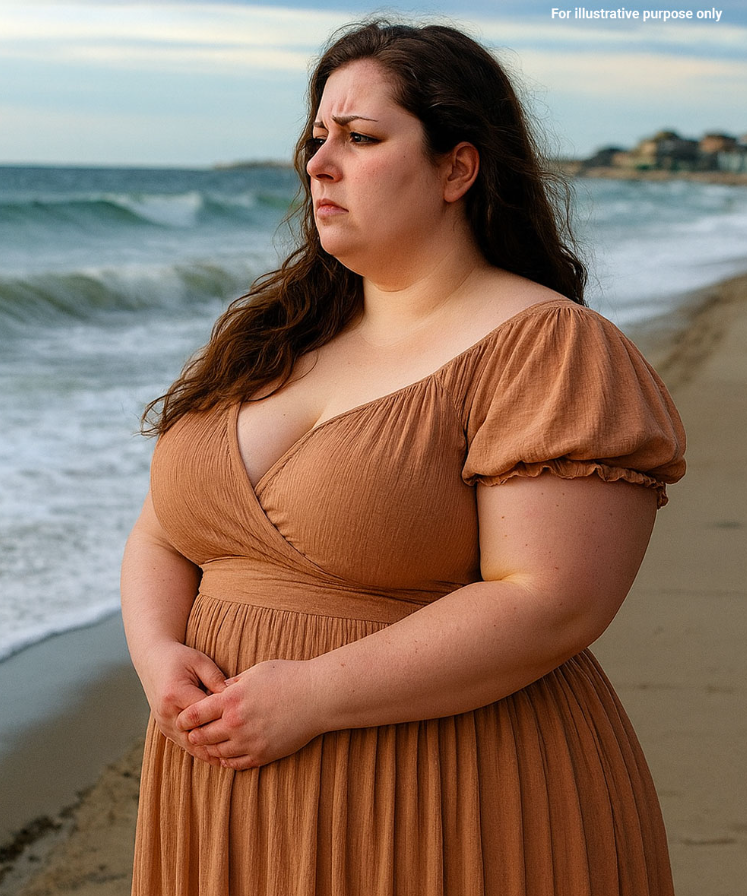
At thirty, her life felt trapped inside the confines of her own body. She weighed one hundred and twenty kilos — not just excess weight, but a fortress of flesh, exhaustion, and unspoken despair. Somewhere inside, she suspected, lay the true cause — an illness, a broken metabolism — but consulting doctors was unthinkable. Too far, too costly, too humiliating.
She worked as a nanny at the municipal kindergarten Kolokolchik. Her days smelled of baby powder, boiled porridge, and perpetually wet floors. Her large, gentle hands could soothe a crying child, make up ten beds in minutes, or mop a puddle without letting the child feel ashamed. The little ones adored her; they clung to her softness and calm affection. But their innocent devotion was a poor consolation for the silence that waited outside the kindergarten gates.
Lucy lived in a crumbling eight-apartment barracks left over from Soviet days. Its beams groaned at night, trembling in every strong wind. Two years earlier, her mother — a weary woman who had buried all her dreams within those same walls — had passed away. Her father she never knew; he had vanished long ago, leaving only a faded photograph and emptiness.
Life was harsh. Cold water sputtered rustily from the tap, the outdoor toilet froze into an ice cave in winter, and in summer the rooms suffocated in heat. Worst of all was the stove: each winter it devoured truckloads of firewood, draining her meager salary. She spent long evenings staring into its flames, feeling that it consumed not only logs, but also her strength, her years, her future — leaving only ash behind.
Then, one twilight evening, a quiet miracle arrived. Not with thunder or fanfare, but in the shuffle of slippers outside her door. Her neighbor Nadezhda — a hospital janitor with a careworn face — stood there holding two crisp bills.
“Lucy, forgive me. Here… two thousand rubles. I should have repaid you long ago,” she muttered, pushing the money into Lucy’s hand.
Lucy blinked, stunned; she had written off that loan years ago.
“You didn’t need to…” she began.
“I did!” Nadezhda cut her off. Then, lowering her voice as though sharing state secrets, she told an astonishing story. Migrant workers from Tajikistan had begun offering women in the town large sums for fictitious marriages — a fast track to citizenship. Nadezhda herself had just married one. Her daughter was considering it too. “Think about it, Lucy. Who’s going to marry you otherwise? And this is good money. You need it. We need it.”
The words weren’t cruel, just blunt — everyday truth. They stabbed Lucy’s heart, yet she knew her neighbor was right. No real suitors waited for her. Her world was bounded by the kindergarten, the shop, and her dim little room. Fifteen thousand rubles could buy firewood, maybe wallpaper to chase away the gray walls.
“All right,” she whispered. “I’ll do it.”
The next day Nadezhda brought the “groom.” Lucy opened the door, gasped, and instinctively stepped back, embarrassed of her figure. A tall, thin young man stood before her, with dark, sad eyes untouched by life’s harshness.
“He’s just a boy!” she blurted.
“I’m twenty-two,” he replied firmly, with only the faintest musical accent.
The registry office required a month’s wait. His name was Rakhmat. Before leaving to work, he asked for Lucy’s phone number. “It’s lonely in a strange city,” he said, and in his eyes she saw her own loneliness reflected.
He began calling. At first awkwardly, then with warmth. He told her about his mountains, the sun of his homeland, his beloved mother, and his family who depended on him. He asked about her life, and to her own surprise she opened up — telling him about the children, the scent of spring earth, even laughing like a carefree girl. In a month, they knew each other more deeply than most couples do in years.
When the wedding day came, Lucy wore her only silver dress, heart trembling not with fear but anticipation. The ceremony was brief, routine for the officials. But afterward, in her room, Rakhmat placed an envelope of money in her hands — heavy with more than just banknotes. Then he pulled out a velvet box. Inside lay a delicate gold chain.
“This is for you,” he said softly. “I wanted to buy a ring, but didn’t know your size. And… I don’t want to leave. I want to be your real husband.”
Lucy froze, breathless.
“I’ve heard your soul through our calls,” he continued, his gaze steady and burning. “It’s kind and pure — like my mother’s. I love you, Lyudmila. Truly. Let me stay.”
This was no sham marriage; it was a proposal. And in his eyes she saw not pity, but respect, gratitude, and a tender love she had long forgotten to hope for.
From then on, he returned every weekend. Later, when Lucy found she was pregnant, he sold his share in a business, bought a used truck, and came back for good — working tirelessly as a taxi driver until his trade flourished.
They had two sons — handsome boys with their father’s dark eyes and their mother’s gentle nature. Their home filled with laughter, running feet, and warmth.
Rakhmat never drank, never smoked. He worked hard and looked at Lucy with such devotion that neighbors grew jealous. The years between them melted into insignificance.
But the greatest transformation was Lucy herself. Motherhood and love reshaped her from within. Her weight dropped naturally, as though life was stripping away an old shell to reveal her truest self. Her eyes sparkled, her smile lit the room, and she walked with new strength.
Sometimes, as she watched Rakhmat stoking the stove, their children playing nearby, she thought of that evening when Nadezhda had knocked on her door. And she realized: miracles don’t always come with lightning. Sometimes they arrive quietly, in the form of a stranger with sad eyes, bringing not a false marriage, but an entirely new life. A real one.