At seventy-two, Minerva believed her grandson was her anchor — the one she could trust with everything, even the roof over her head. But when a knock at the door shattered her fragile peace, she found herself betrayed, displaced, and forced to confront what family really means.
I had always lived simply. I worked hard, paid my bills on time, and kept a tidy home. I wasn’t wealthy, but I had enough for comfort.
When my husband, John, passed, silence took over the house. The sound of a boiling kettle, once warm and familiar, only echoed my loneliness.
So, I sold the home we’d shared and moved into a small city apartment. I wanted to be near a hospital — at my age, practicality outweighed nostalgia.
Instead of selling to a stranger, I signed the house over to my grandson, Tyler, for a symbolic dollar. I didn’t care about money; Tyler was all I had left. My daughter, Molly — his mother — had died young, only forty-three, after a long illness. Losing her drained the color from my world.
Tyler carried fragments of her — her smile, her frown when thinking too hard — and maybe that’s why I clung so tightly to him.
“Are you sure, Gran?” he asked, trembling as he held the deed. “It’s your home.”
“It was mine,” I told him softly. “But now it feels like it belongs to ghosts.”
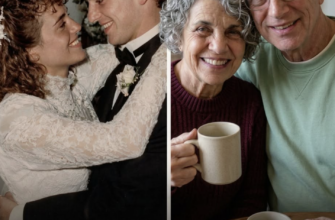
I remembered meeting John in a bakery. He asked if I liked almond croissants. When I said no, he looked crushed and bought two anyway. “That’s a tragedy,” he declared. “But I’ll fix it.” And he did — not just the croissants, but every leaky faucet, every loose drawer, even my moods. He made life gentle, even in small ways, like warming my side of the bed in winter before I slipped in.
Molly inherited that same kindness. She hummed when she cooked, always made too much food, and wanted to be a writer. She left behind boxes of stories. Cancer stole her voice, her appetite, her strength. When she was gone, part of me went quiet too.
After her funeral, I moved. Tyler offered to handle the rent. “Don’t stress with the online stuff, Gran,” he said. “Just give me the money and I’ll take care of it.” I trusted him completely.
Each month, I tucked the rent into an envelope. Sometimes I added extra, in case utilities shifted. Tyler always came for it with a smile and a meal at my table. “Don’t worry, Gran,” he’d assure me. “I’ll handle it.”
And I believed him. Until I couldn’t.
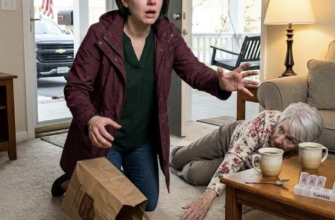
Two weeks ago, Michael, my landlord, came to the door. His voice was low, apologetic. “I’m sorry, Minerva. You haven’t paid rent in three months. I have no choice but to evict you.”
My heart stopped. “That’s not possible. I give the money to my grandson. He pays it.”
Michael shook his head. “The lease is already signed to new tenants. I need the apartment back this weekend.” Then he walked away, quiet and firm.
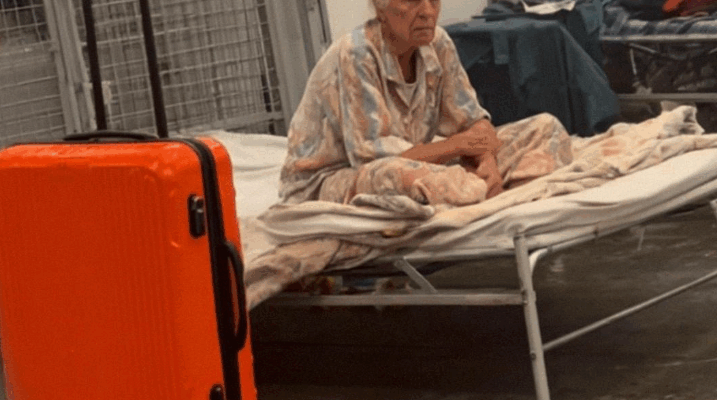
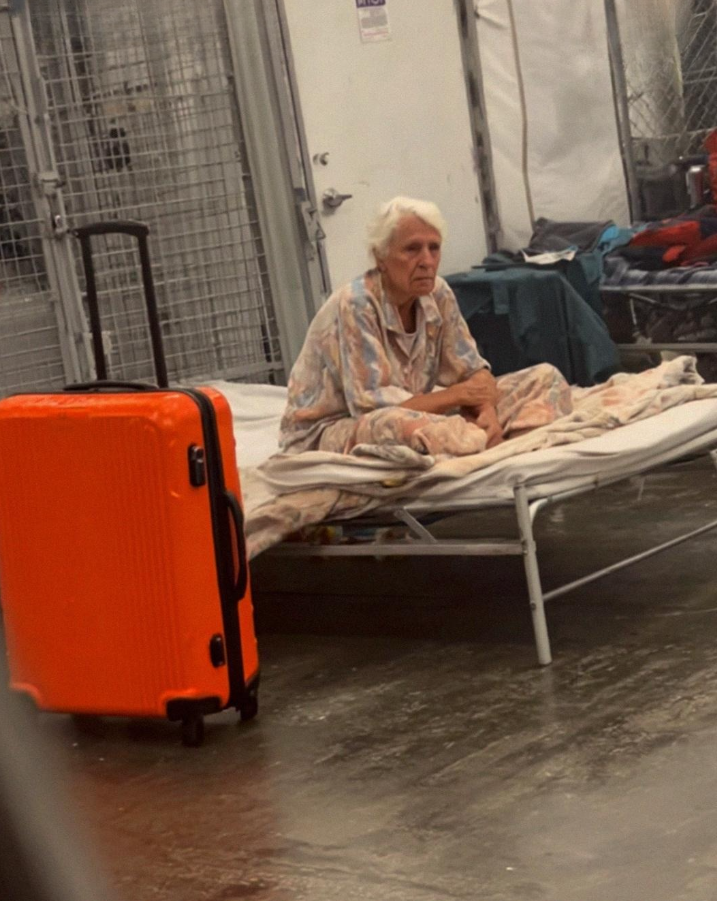
That night I packed a small bag — clothes, medicine, Molly’s photo. Movers put the rest in storage. With nowhere else to go, I entered a shelter.
The beds were thin, the air heavy with exhaustion. I lay awake, listening to strangers cry and whisper. I cried too — for John, for Molly, for the home I’d lost, and for the betrayal I hadn’t yet confirmed but felt in my bones.
In the morning, I barely recognized myself in the mirror. Still, I folded my thin blanket. Because even in heartbreak, order is something I can control.
I called Tyler, my voice shaking. “Sweetheart, there must be a mistake.”
“I paid it, Gran,” he lied smoothly. “Michael must’ve messed up.”
“Could I stay with you and Lizzie for a few nights?” I asked gently.
A pause. Then: “That won’t work, Gran. Lizzie’s parents are coming. We need the guest room.”
I whispered, “Of course.” But inside, I knew.
Days later, Lizzie appeared at the shelter. Her face was tired, her hands trembling. She brought almond croissants. “Minerva,” she said softly. “I need to tell you the truth. Tyler hasn’t paid your rent in three months. Before that, he told you the rent was higher than it was and pocketed the difference. All $500, every month.”
My breath caught. “But why?”
“He has a child,” Lizzie whispered. “With another woman. He’s been secretly paying child support.”
She discovered it when she saw his open laptop. A Reddit post — Tyler confessing to strangers he’d been lying to his wife, his grandmother, and stealing my money.
Lizzie’s eyes hardened. “I’m divorcing him.”
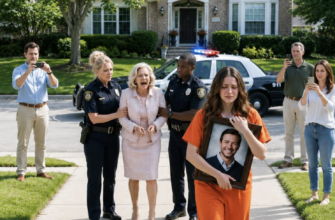
Together, we shared the truth — a simple post online, no names, just facts. People rallied behind me. Outraged comments poured in from neighbors, church friends, even old students.
Tyler called that night, furious. “Gran, delete that post or I’ll lose my job!”
“Oh, Tyler,” I said calmly. “You didn’t worry about my comfort when you left me homeless.”
He demanded again. I agreed — on one condition. “Sell me back the house. For what you paid: one dollar.”
He cursed, accused, raged. But finally, he gave in.
Within a week, the deed was back in my name. Lizzie filed for divorce. And I had a home again — not near hospitals or shops, but mine. Safe. Untouchable.
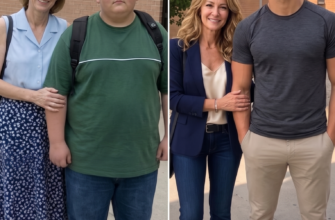
A month later, Lizzie and I sat on the porch sharing blueberry pie, Molly’s favorite. Lizzie promised to stand by me — shopping, salon visits, doctor trips. “You won’t be alone again,” she said.
I squeezed her hand. “Molly would have loved you.”
Lizzie laughed. “Just help me find a John of my own — someone kind, not like Tyler.”
For the first time in years, I felt at home.
I thought losing everything at seventy-two was the end. But it wasn’t. It was the beginning — of reclaiming my strength, my home, and the truth that family isn’t always who shares your blood, but who shares your heart.